Log in and enrol
Precision Medicine and Big Data
Precision Medicine and Big Data
From databases to new NGS technologies: a conceptual bridge between theory and practice. Learning to analyze Big Data to address the challenges of precision medicine and biomedical ethics.
Course description
This course aims to serve as an educational and conceptual bridge connecting the fundamentals of computational biology with its most advanced applications in genomics and healthcare.
The main purpose is to train university students and researchers in the critical and methodological use of large biological datasets, laying the groundwork for further studies and practical applications in research and diagnostics.
The course starts with the basics of data management and moves onto discussions on ethics and future prospects. Fundamental principles and essential tools in computational biology – such as biological databases, sequence alignments and genomic browsers – will be explored in order to examine the most recent applications in the biomedical field, including next-generation sequencing (NGS), types of sequence variants and the role of genomics in precision medicine and oncology.
Total workload of the course: 25 hours
This course was translated from "Medicina Personalizzata e i Big Data" and human-reviewed by an ita-eng translator and the professor of the course.
This MOOC was produced as part of the Edvance project – Digital Education Hub per la Cultura Digitale Avanzata. The project is funded by the European Union – Next Generation EU, Component 1, Investment 3.4 “Didattica e competenze universitarie avanzate".






Intended Learning Outcomes
Upon completion, the students of this course will be able to:
- identify types of biomedical Big Data and actively use browsers and public databases to retrieve, visualise and interpret information on specific genes or clinical variants
- perform basic bioinformatics analyses: interpret raw file formats derived from sequencing (NGS), understand the key steps in a genomic pipeline, and filter variants to identify those that are clinically relevant
- understand the advantages of combining genomic data with phenotypic information (e.g. from wearable devices or lifestyle data) to identify individual risk profiles and propose proactive, personalised recommendations for prevention and health
- critically evaluate the application and limitations of Artificial Intelligence models (e.g. Machine Learning) in the medical field (e.g. classification of leukaemia), identify the risks of algorithmic bias
- apply the principles of sensitive data protection (i.e. GDPR) to ensure privacy and security in the processing and sharing of genomic data
Prerequisites
Students must have a computer with administrator privileges for software installation and a basic understanding of molecular biology and genetics.
Activities
The course includes:
- Video lectures
- Weekly quizzes and a final quiz to assess learning
- Individual exercises to be completed independently to apply or better understand the concepts covered in the course units (non-graded interactive activity)
- Study materials for further investigation
Section outline
-
-
-
Introduction and conceptualization of the challenge posed by Big Data in biology and medicine.
-
The second week focuses on transforming sequencing data into clinically relevant information, a crucial topic for precision medicine.
-
This week introduces the use of omics Big Data in precision medicine, with a particular focus on oncology.
-
Let’s take the course to a level of critical understanding by exploring the social, ethical, and future implications of big data in genomics.
-
-
-
Video transcripts Folder
-
Assessment
Your final grade for the course will be based on the results of your answers to the assessed quizzes. You have an unlimited number of attempts at each quiz, but you must wait 15 minutes before you can try again. You will have successfully completed the course if you score 60% (or higher) in each one of the assessed quizzes. The maximum score possible for each quiz is given at the beginning of the quiz. You can view your score in the quiz on your last attempt or on the 'Grades' page.
Certificate
You can achieve a certificate in the form of an Open Badge for this course, if you reach at least 60% of the total score in each one of the assessed quizzes and fill in the final survey.
Once you have completed the required tasks, you will be able to access ‘Get the Open Badge’ and start issuing the badge. Instructions on how to access the badge will be sent to your e-mail address.
The Badge does not confer any academic credit, grade or degree.
Information about fees and access to materials
The course is delivered in online mode and is available free of charge.
Course faculty
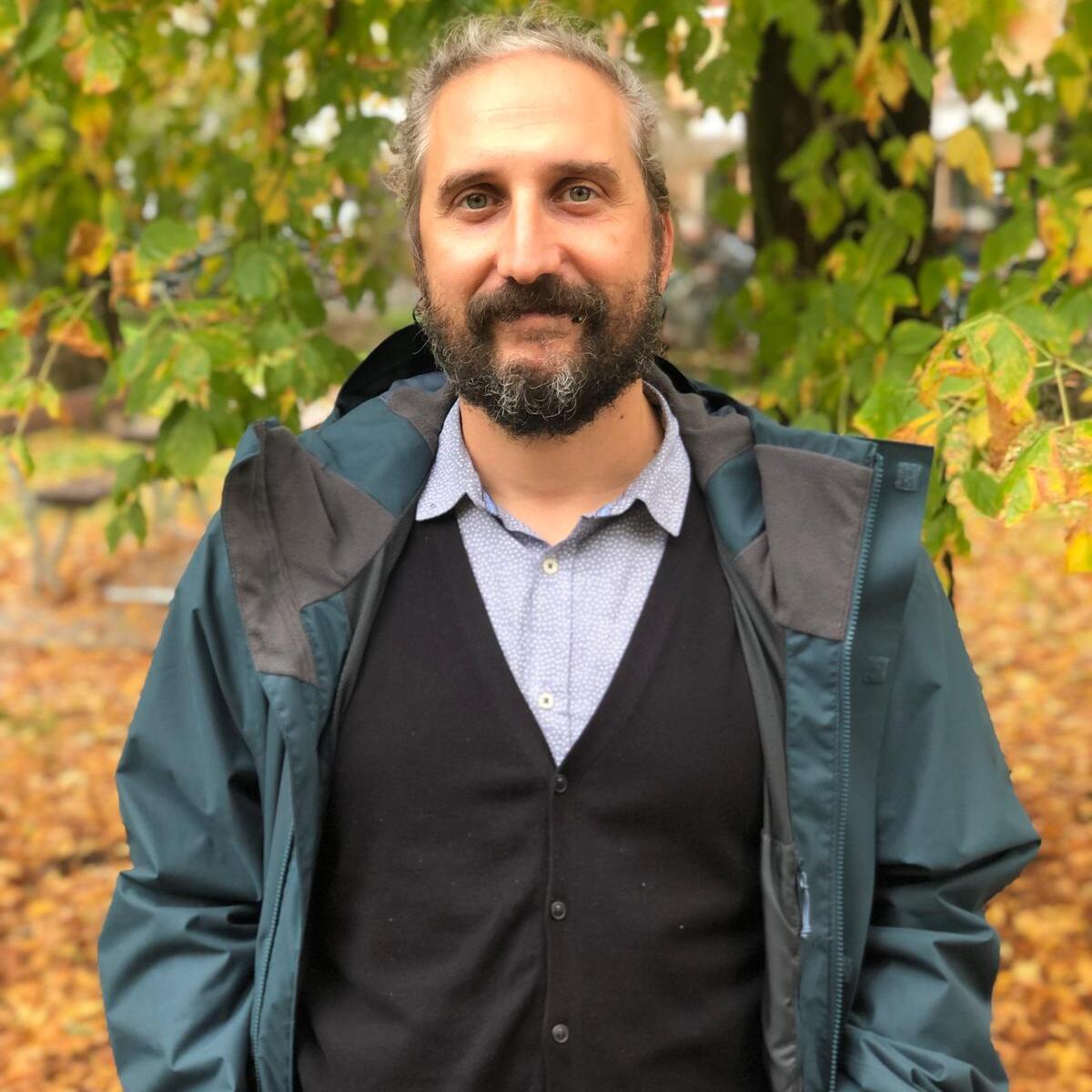
Paolo Martini
Teacher
Dr. Paolo Martini is an Associate Professor in the Department of Molecular and Translational Medicine (DMMT) at the University of Brescia, with a long-standing involvement in precision bioinformatics. His research is dedicated to unlocking the potential of multi-omic data (genomics, transcriptomics, proteomics, and metabolomics) for patient stratification and understanding complex diseases, a field in which he has over twenty years of experience.
Throughout his career, he has developed cutting-edge computational tools focused on network biology and pathway analysis, which are essential for transforming raw data into clinical knowledge. Among his creations are Clipper and MOSClip (Multi-Omic Survival Pathway Analysis), algorithms that demonstrate how the integration of molecular data and topological pathway analysis can significantly improve patient prognosis and classification (e.g., ovarian cancer).
Currently, his research is focused on the most advanced frontiers of precision medicine—including single-cell and spatial transcriptomics, and allele imbalance analysis—crucial expertise for the development of next-generation Multi-Omic workflows aimed at identifying causal molecular circuits in complex diseases (such as cancer and neuropsychiatric disorders).
Contact details
If you have any enquiries about the course or if you need technical assistance please contact pok@polimi.it. For further information, see FAQ page.