Additional resources
Additional resources
A journey of awareness, method, and collective action
Course description
The MOOC provides foundational knowledge on the circulation of skills and knowledge, understood as the productive dialogue between generations and the exchange of competencies that extend beyond technical expertise to include values, experience, and a positive vision for the future. The course explores topics such as the demographic crisis, brain drain, contemporary leadership, and digital transformation. Designed for anyone who believes that Italy is a country with untapped potential and is interested in understanding how to contribute to its future, the course develops participants’ ability to understand today’s social and economic challenges and to promote collaborative actions focused on innovation and shared responsibility, supporting both professional and personal development.
Total workload of the course: 7 hours
This MOOC is provided by Politecnico di Milano.
This MOOC was produced as part of the Edvance project – Digital Education Hub per la Cultura Digitale Avanzata. The project is funded by the European Union – Next Generation EU, Component 1, Investment 3.4 “Didattica e competenze universitarie avanzate".




Intended Learning Outcomes
By the end of this course, you will be able to:
- interpret the Circular Skills Economy as a systemic response to today's economic, social, and demographic transformations, moving beyond a sector-specific or emergency-driven perspective
ESCO: economics ESCO: sociology ESCO: demography - analyze the demographic crisis and intergenerational dynamics (including NEETs, brain drain, and skills mismatch), assessing their impact on the country's development and on organizations
ESCO: promote social awareness - recognize and apply the leadership principles that foster the Circular Skills Economy across generations, guiding behaviours and decision-making towards shared responsibility and care
ESCO: leadership principles - evaluate the role of human and interpersonal skills in the age of generative artificial intelligence, particularly in learning processes and intergenerational collaboration
ESCO: principles of artificial intelligence - apply the principles and tools of the Circular Skills Economy across generations, adapting them to organizational, productive, and local contexts
ESCO: organisational learning - adopt a proactive approach based on commitment and shared responsibility, contributing to the development of networks, communities of practice, and collective actions that foster trust and hope
ESCO: develop professional network
Prerequisites
No formal knowledge is required.
Activities
Over and above consulting the content, in the form of videos and other web-based resources, you will have the opportunity to discuss course topics and to share ideas with your peers in the Forum of this MOOC. The forum of this MOOC is freely accessible, and participation is not guided; you can use it to compare yourself with other participants, or to discuss course contents with them.
Assessment
Your final grade for the course will be based on the results of your answers to the assessed quizzes. You have an unlimited number of attempts at each quiz, but you must wait 15 minutes before you can try again. You will have successfully completed the course if you score 60% (or higher) in each one of the assessed quizzes. The maximum score possible for each quiz is given at the beginning of the quiz. You can view your score in the quiz on your last attempt or on the 'Grades' page.
Certificate
You can achieve a certificate in the form of an Open Badge for this course, if you reach at least 60% of the total score in each one of the assessed quizzes and fill in the final survey.
Once you have completed the required tasks, you will be able to access ‘Get the Open Badge’ and start issuing the badge. Instructions on how to access the badge will be sent to your e-mail address.
The Badge does not confer any academic credit, grade or degree.
Information about fees and access to materials
The course is delivered in online mode and is available free of charge.
Course faculty
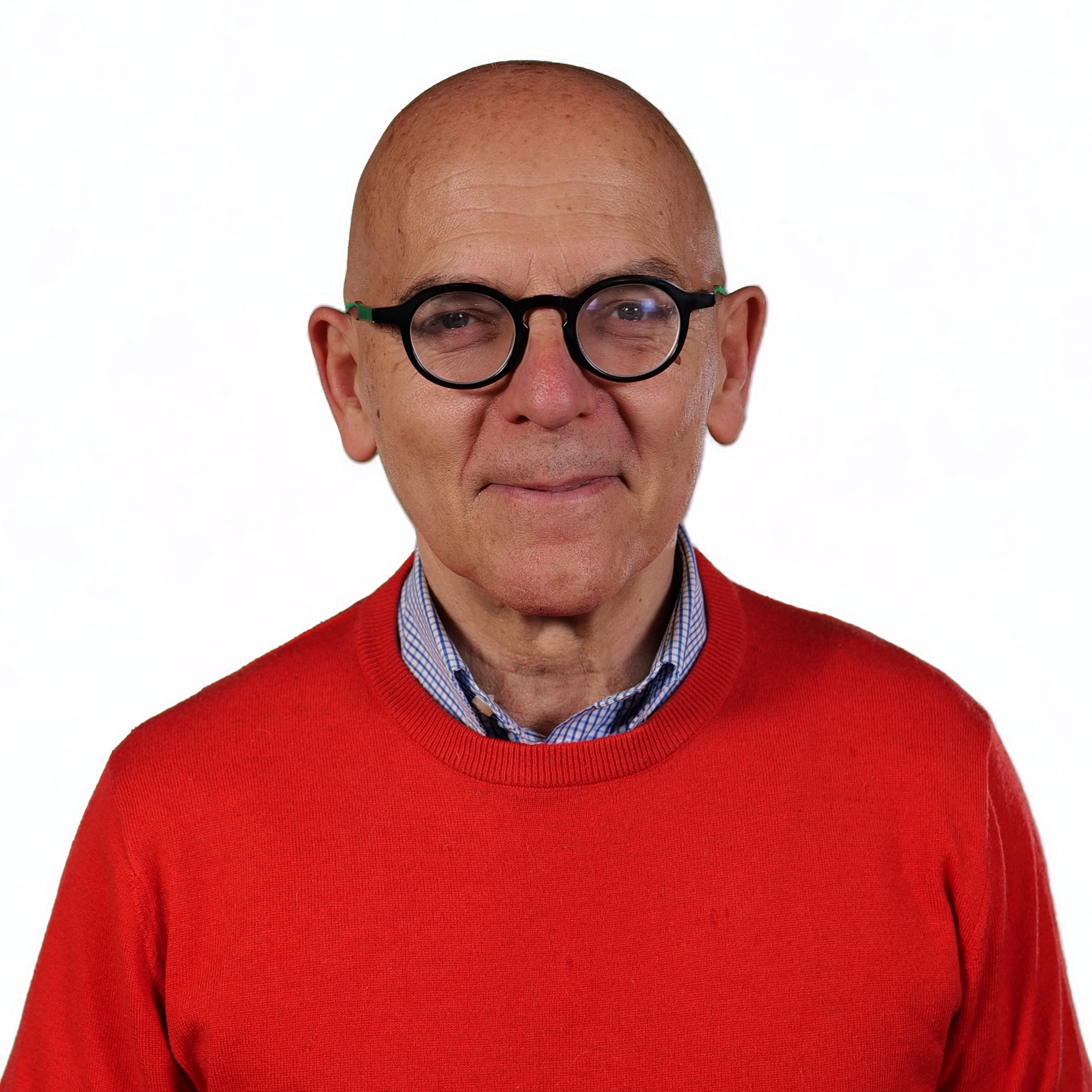
Antonio Palmieri
Co-founder and President, Fondazione Pensiero Solido ETS
Based in Milan, married with two children, he is the Co-founder and President of Fondazione Pensiero Solido, a non-profit foundation that explores the impact of technology on society and promotes constructive communication about the major transformations shaping our world, with a particular focus on intergenerational relationships. He served as a Member of the Italian Parliament from 2001 to 2022. A co-founder of the Parliamentary Intergroup on Innovation, his professional experience spans social and digital innovation, communication, and education. From 1993 to 2022, he was part of Silvio Berlusconi's communications team, overseeing communications for Forza Italia. Earlier in his career, he worked at Poste Italiane, RAI Radio, and RTI, part of the Fininvest Group.
Alessandro Rosina
Full Professor, Università Cattolica del Sacro Cuore, Milan
Alessandro Rosina is Full Professor of Demography and Social Statistics at the Faculty of Economics of Università Cattolica del Sacro Cuore in Milan, where he serves as Director of the Center for Applied Statistics in Business and Economics. He has taught at several Italian universities and has held leading academic, statistical, and demographic positions. He has served as an expert for ministerial commissions, the Italian National Institute of Statistics (ISTAT), and the European Commission on issues related to demography, youth, and public policy. He is Scientific Coordinator of the Youth Observatory at the Toniolo Institute and of the Youth Conditions Observatory of the Lombardy Region, as well as an Expert Advisor to the National Council for Economics and Labour (CNEL). He is a member of the Department of Statistical Sciences, which he directed from November 2015 to October 2019.
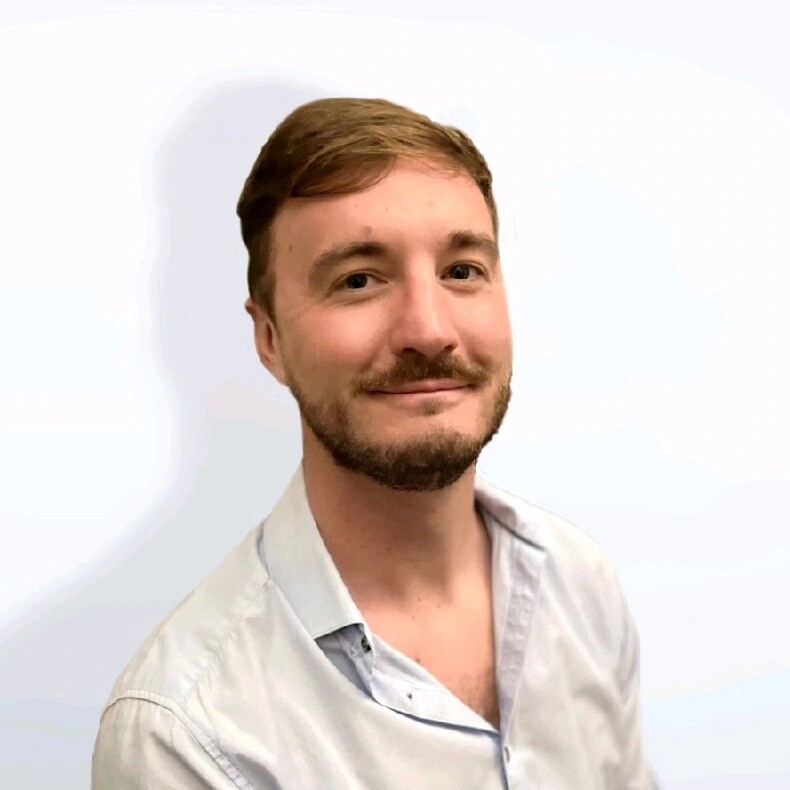
Giacomo Checchin
Sociological Researcher, Co-Lead of the Qualitative Research on the Circular Skills Economy
He is a PhD researcher in Sociology and collaborates with the ARC – Centre for the Anthropology of Religion and Generative Studies at Università Cattolica del Sacro Cuore. He is a qualified educator and editor of the Genialis Notebooks published by Fondazione Poetica. His research focuses on performance and digital mediation in the lives of young people. As Co-Lead of the Qualitative Research on the Circular Skills Economy, conducted in collaboration with Fondazione Pensiero Solido and Università Cattolica del Sacro Cuore, he contributes to the development of the project's research framework. Through Fondazione Poetica, he is involved in research initiatives based on the integrated research–education–action model.
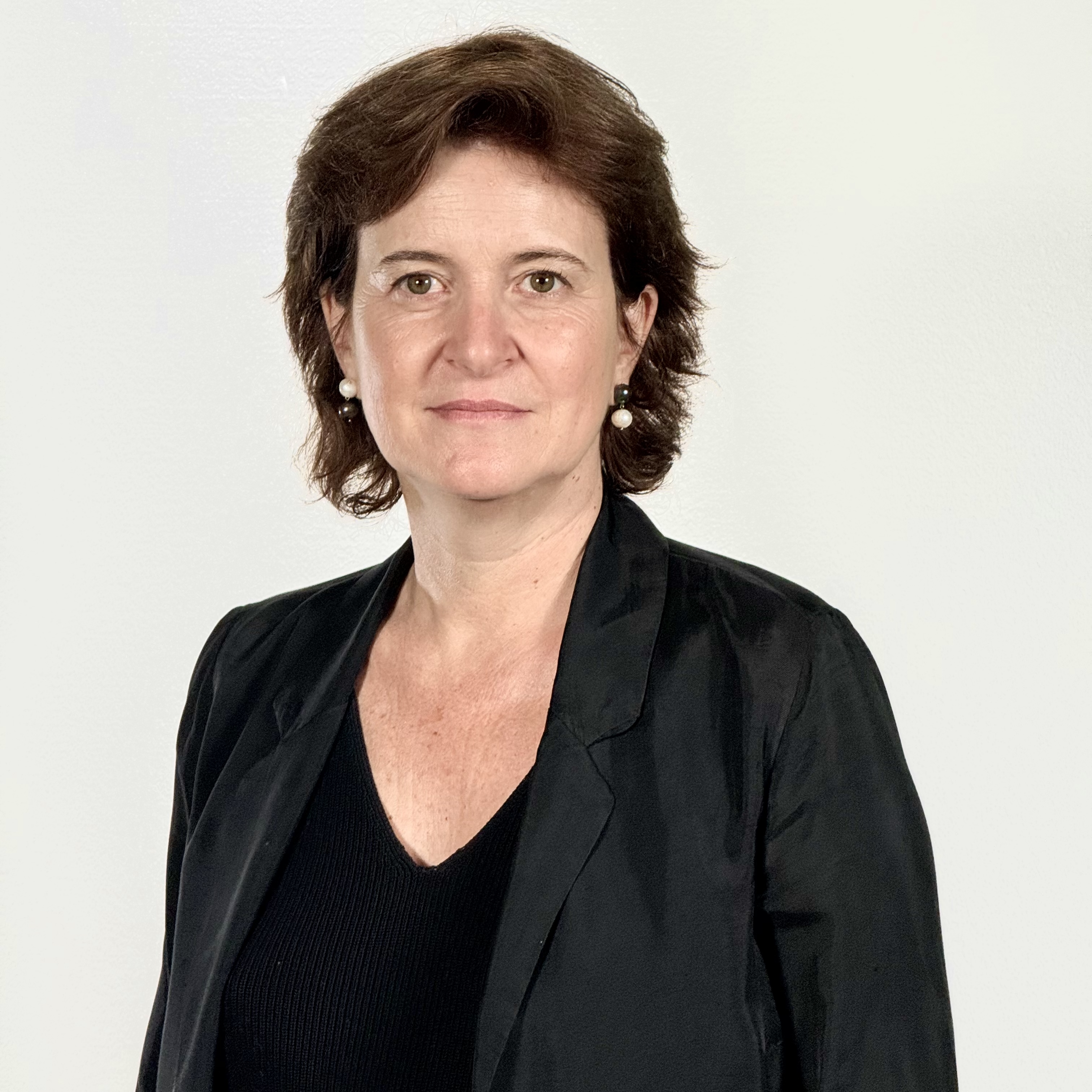
Riccarda Zezza
Co-founder and CEO, Lifeed; Social Entrepreneur and Researcher
Riccarda Zezza is a social entrepreneur, researcher, and Co-founder of Lifeed, a platform that has supported more than 100 organizations in transforming people's life transitions into professional assets. She has been researching the concept of transilience since introducing it in MAAM – Maternity as a Master (BUR Rizzoli, 2014). She is also the author of Cura (FrancoAngeli, 2025), Cuore Business (Il Sole 24 Ore, 2023), and The Power of Transilience (FrancoAngeli, 2026). She holds a Master's degree in Behavioral Neuroscience from Università Cattolica del Sacro Cuore in Milan and works with organizations of all sizes on the value of people, life roles, and their contribution to organizational development.
Contact details
If you have any enquiries about the course or if you need technical assistance please contact pok@polimi.it. For further information, see FAQ page.