Additional resources
Additional resources
How can AI improve gastroenterology—enhancing detection, characterization, and clinical decisions—without increasing unnecessary procedures, surveillance burden, or workflow friction?
Course description
This course guides you through the full clinical-technical arc of AI in gastroenterology: from the physiology and symptom logic that anchors diagnosis, to endoscopy as a tools–technique–data pipeline, to the core AI systems used in practice today—CADe for real-time detection, CADx for optical diagnosis strategies, predictive models for forecasting, and LLMs for documentation and clinical text.
By the end of the course, you’ll be able to judge AI by what it changes in real outcomes—ADR, miss rate, surveillance burden, cost, and patient-relevant benefit—using rigorous evidence standards (RCTs, meta-analyses, GRADE), and to understand what safe deployment requires: workflow integration, continuous monitoring for drift, and governance responsibilities aligned with the EU AI Act.
Total workload of the course: 13 hours
This MOOC was produced as part of the Edvance project – Digital Education Hub per la Cultura Digitale Avanzata. The project is funded by the European Union – Next Generation EU, Component 1, Investment 3.4 “Didattica e competenze universitarie avanzate".






Intended Learning Outcomes
By the end of this course, here are some things you’ll be able to do:
- Understand GI Physiology and its Clinical Relevance: You'll be able to explain how anatomy, neural control, and chemical signaling coordinate motility, secretion, and absorption—and describe how symptoms map back to the underlying mechanism in common diagnostic scenarios.
ESCO: make clinical decisions - Describe Endoscopy as a Tools–Technique–Data Pipeline: You'll be able to describe how image quality, inspection technique, reporting structure, and pathology linkage determine both clinical outcomes and the reliability of AI-ready datasets.
ESCO: health informatics - Recognize Where AI Fits in GI Workflows: You'll be able to identify CADe, CADx, predictive models, and LLMs, and describe what each system can do, what it requires, and where it fails in routine endoscopy practice.
ESCO: utilise machine learning - Understand AI Applications in Risk Stratification and Precision Medicine: You'll be able to describe how AI supports risk stratification, subgroup identification in functional GI disorders, and prediction of relapse or treatment response in IBD, and explain how multimodal data contributes to more individualized clinical decisions.
ESCO: healthcare analytics - Understand AI Performance Metrics and Their Clinical Meaning: You'll be able to define technical metrics like sensitivity, specificity, and MCC and explain how they relate to clinically meaningful outcomes such as adenoma detection rate, miss rate, and downstream surveillance burden.
ESCO: interpret medical results - Recognize Evidence Quality Using Structured Frameworks: You'll be able to identify when RCTs, meta-analyses, and GRADE support strong versus conditional guidance, and describe bias, indirectness, heterogeneity, and limited follow-up as common failure points in clinical evidence.
ESCO: implement scientific decision making in healthcare - Identify Constraints for Safe AI Deployment and Monitoring: You'll be able to identify real-world adoption constraints—latency, alert fatigue, data drift, and integration—and explain shared responsibilities across clinicians, hospitals, and vendors.
ESCO: medical device regulations
Prerequisites
Don't Sweat It!
This is an introductory course—no need to be an engineer or an AI expert. Though you might need a basic understanding of medical terms.
If you're a student in a single-cycle Medicine and Surgery program (from the third year onward), a third-year Bachelor's program in nursing and healthcare technology, or a Master's degree in the health sciences, you'll be just fine!
We’re here to make AI easy to understand and show you how it applies to Gastroenterology. If you’re curious about diving deeper into the tech side, don’t worry—this portal has plenty of advanced AI courses. Don’t be shy, explore!
Activities
Video lectures and expert guest talks will guide you through the main topics of the course, alongside additional readings with reflective questions to support your learning. Along the way, you'll encounter short, ungraded quizzes and challenges designed to check your understanding, encourage hands-on practice, and spark discussions in the Forum (a.k.a. The Lumen). Be sure to complete the mandatory milestone quiz at the end of each week—passing these is required to earn your certificate.
Meet The Lumen!
This is The Lumen, our Discussion Forum.
You’ll meet The Lumen again as you go through the course. It’s not mandatory to engage with it. Neither we nor any AI system will be monitoring it. This is just a space for you to connect with your fellow humans during your learning journey. Think of The Lumen as the slow food version of social media — less noise, more substance.
Assessment
Your final grade for the course will be based on the results of your answers to the assessed quizzes. You have an unlimited number of attempts at each quiz, but you must wait 15 minutes before you can try again. You will have successfully completed the course if you score 60% (or higher) in each one of the assessed quizzes ("Milestone Checks"). The maximum score possible for each quiz is given at the beginning of the quiz. You can view your score in the quiz on your last attempt or on the 'Grades' page.
Certificate
You can achieve a certificate in the form of an Open Badge for this course, if you reach at least 60% of the total score in each one of the assessed quizzes ("Milestone Checks")and fill in the final survey.
Once you have completed the required tasks, you will be able to access ‘Get the Open Badge’ and start issuing the badge. Instructions on how to access the badge will be sent to your e-mail address.
The Badge does not confer any academic credit, grade or degree.
Information about fees and access to materials
The course is delivered in online mode and is available free of charge.
Course faculty
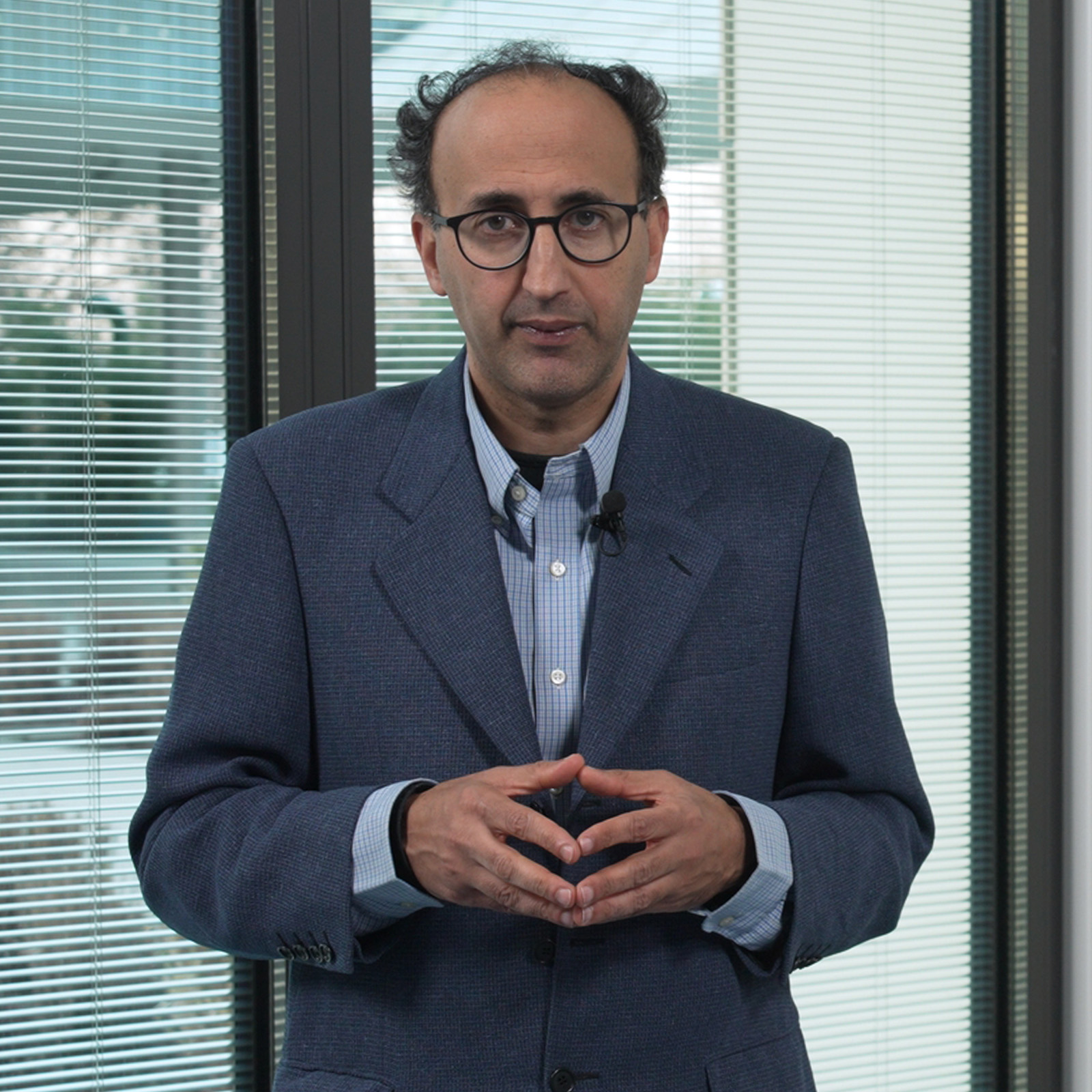
Prof. Cesare Hassan
Full Professor of Gastroenterology at Humanitas University and Head of the Gastroenterology and Digestive Endoscopy Unit at IRCCS Humanitas Research Hospital
Prof. Cesare Hassan, MD, PhD, is Full Professor of Gastroenterology at Humanitas University and Head of the Gastroenterology and Digestive Endoscopy Unit at IRCCS Humanitas Research Hospital in Milan, Italy. He earned his medical degree and specialization in Gastroenterology and Digestive Endoscopy at Sapienza University of Rome, where he also completed a PhD in Experimental Digestive Endoscopy.
Professor Hassan’s clinical and research activities focus on the development and validation of innovative diagnostic and preventive strategies for colorectal cancer, with particular emphasis on screening programs and the integration of advanced technologies, including artificial intelligence, to enhance the accuracy and effectiveness of endoscopic procedures. He has authored numerous peer-reviewed publications in leading international journals and has received prestigious recognitions for his contributions to the field, including the “Advancing Artificial Intelligence in Gastroenterology” award from the American Society for Gastrointestinal Endoscopy (ASGE). He is actively involved in international scientific leadership roles within major European societies in gastroenterology and endoscopy.
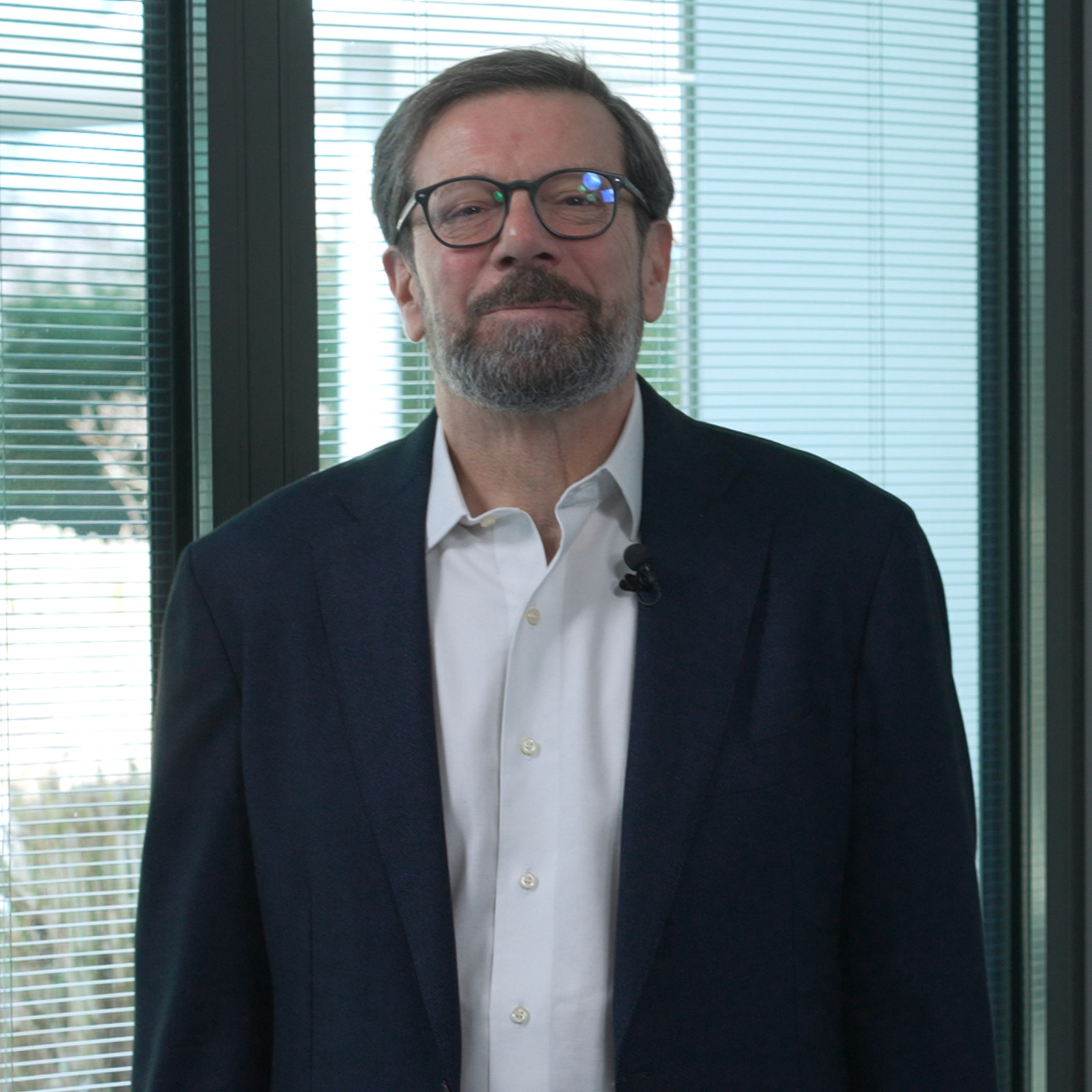
Prof. Alessandro Armuzzi
Full Professor of Gastroenterology at Humanitas University
Alessandro Armuzzi is Full Professor of Gastroenterology at Humanitas University and Director of the Inflammatory Bowel Disease (IBD) Unit and co-Director of the IBD Center at IRCCS Humanitas Research Hospital in Milan, Italy. He also serves as Director of the Gastroenterology Residency Program at Humanitas University and is widely recognized for his leadership in the clinical care and research of inflammatory bowel diseases.
Professor Armuzzi received his medical degree from the University of Bologna and his PhD in Physiology from Tor Vergata University in Rome. He completed his specialist training in Internal Medicine and Gastroenterology and advanced clinical and research training in IBD at the John Radcliffe Hospital, Oxford University Hospitals, UK. Prior to his current roles, he held leadership positions in major Italian clinical centers, including the IBD Unit at Fondazione Policlinico A. Gemelli IRCCS in Rome.
His research focuses on real-world clinical trials and observational studies in IBD, clinical and biological predictors of disease outcomes, diagnostic modalities to assess disease activity, and advanced therapeutic approaches in IBD and related immune-mediated conditions. He has authored numerous articles in high-impact, peer-reviewed scientific journals and has held significant roles in national and international gastroenterology associations, including leadership positions within the Italian Group for the Study of Inflammatory Bowel Disease and the European Crohn’s and Colitis Organisation.
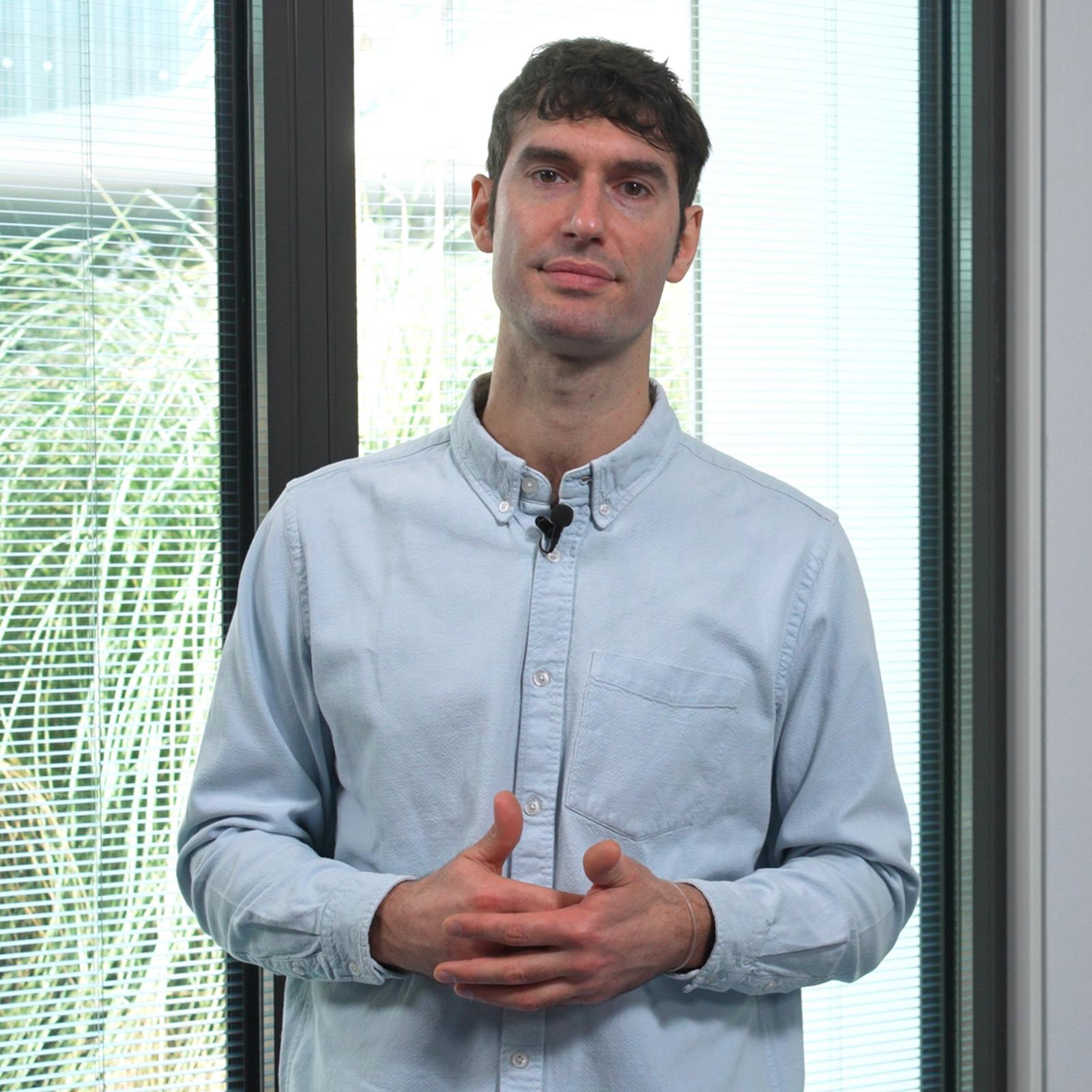
Dott. Vincenzo Craviotto
Assistant Physician in the Gastroenterology Unit at IRCCS Humanitas Research Hospital
Vincenzo Craviotto, MD is a clinical gastroenterologist and assistant physician in the Gastroenterology Unit at IRCCS Humanitas Research Hospital and Humanitas Medical Care in Milan, Italy. He graduated in Medicine and Surgery from the University of Pavia and completed his specialization in Digestive Diseases at Humanitas University, where he has developed a strong clinical focus on gastrointestinal disorders and functional gut pathology.
Dr. Craviotto’s clinical interests include a broad range of digestive conditions such as irritable bowel syndrome (IBS), gastroesophageal reflux disease (GERD), celiac disease, diverticular disease, chronic diarrhea, and other benign and malignant disorders of the digestive tract. He is actively involved in both outpatient gastroenterology care and endoscopic diagnostics, contributing to personalized patient management and therapeutic decision-making.
In addition to his clinical practice, Dr. Craviotto participates in scientific research focused on the pathophysiology of functional gastrointestinal disorders, the role of the intestinal microbiota, and integrated treatment approaches for digestive symptoms. He regularly contributes to national and international medical conferences and has authored and co-authored publications in peer-reviewed journals.
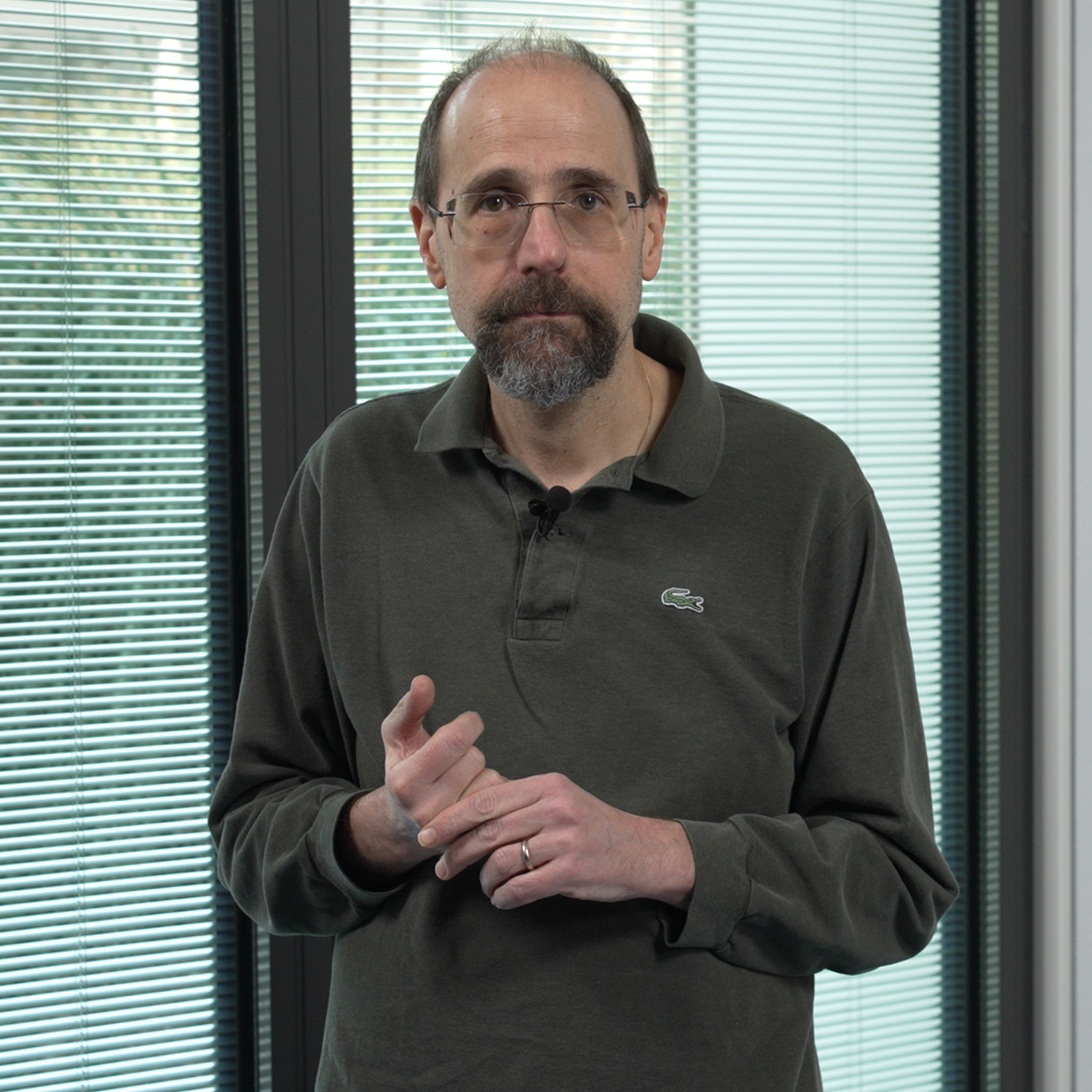
Prof. Giuseppe Jurman
Associate Professor of Biomedical Engineering at Humanitas University
Prof. Giuseppe Jurman is an Associate Professor at Humanitas University, with data science as his main research interest.
His focus is applying mathematical and computational methods to life sciences, in particular the development of predictive models based on artificial intelligence.
Prof. Jurman leads the Data Science in Health (DSH) Unit at Fondazione Bruno Kessler (FBK) in Trento, Italy, where his research focuses on machine learning, network analysis, and their applications in healthcare. He has published extensively in these areas, contributing significantly to the intersection of data science and biomedical research.
In January 2025, Prof. Jurman was appointed as an Associate Professor at Humanitas University, where he continues to advance research in data science and its applications in health.
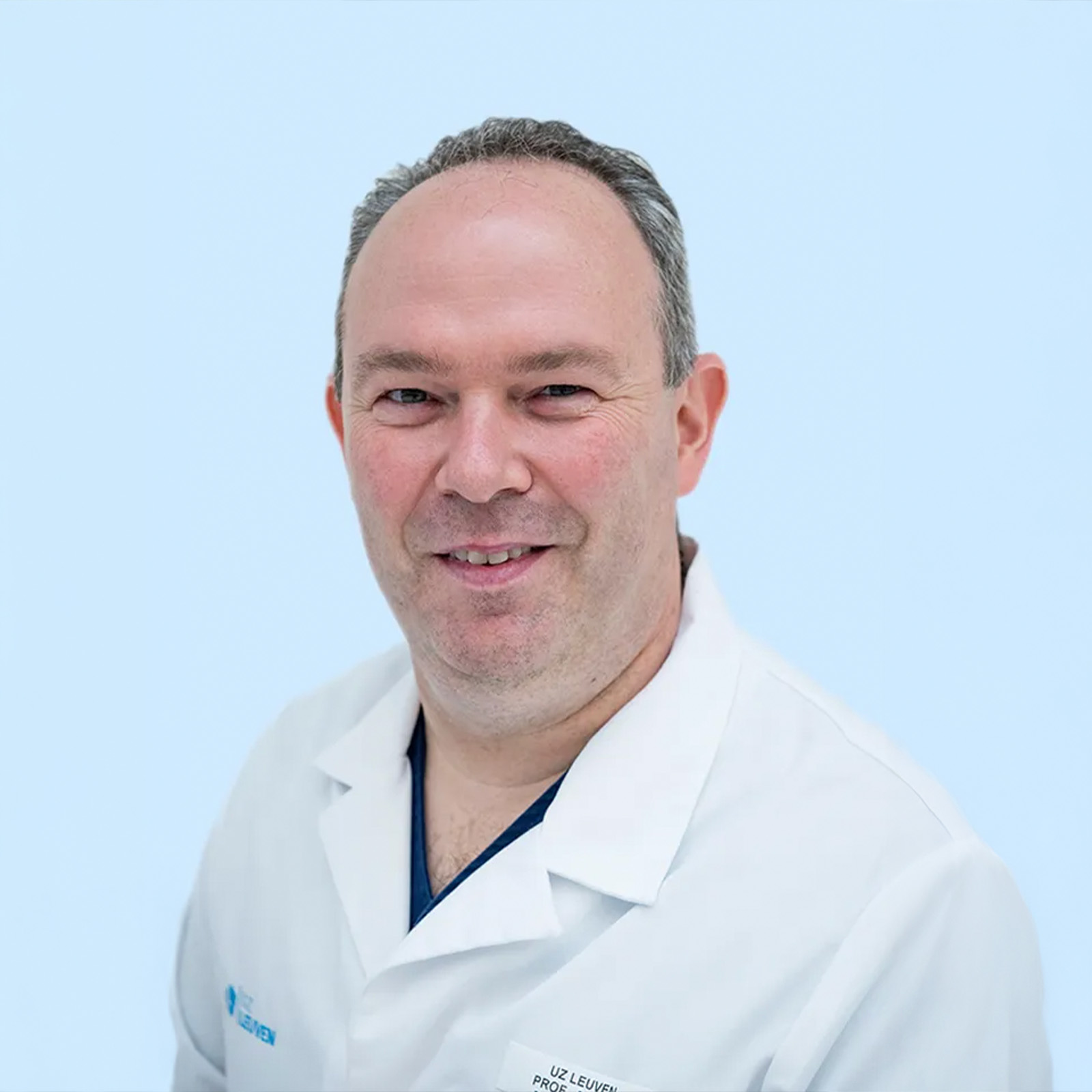
Prof. Raf Bisschops
Senior Gastroenterologist and Professor of Gastroenterology at KU Leuven and Head of the Endoscopy Unit at University Hospitals Leuven
Raf Bisschops, MD, PhD, is a senior gastroenterologist and Professor of Gastroenterology at KU Leuven and Head of the Endoscopy Unit at University Hospitals Leuven in Belgium. He received his medical degree and PhD from the University of Leuven, where he also completed his specialist training in gastroenterology. He has been leading the endoscopy service since 2013, overseeing a multidisciplinary center that performs tens of thousands of endoscopic procedures annually.
Professor Bisschops’ research and clinical interests focus on advanced endoscopic imaging and therapeutic techniques, particularly in the detection and management of early gastrointestinal neoplasia, including Barrett’s esophagus, hereditary colorectal cancer syndromes, ulcerative colitis, and colorectal polyps. He is also engaged in research on artificial intelligence applications and quality improvement in endoscopy.
He has held leadership roles within major professional societies, including serving as President-elect of the European Society of Gastrointestinal Endoscopy (ESGE), Secretary General, and Chair of both the ESGE Quality Improvement Committee and the Curriculum Working Group. Professor Bisschops was co-editor of the journal Endoscopy from 2011 to 2020 and has contributed to numerous international guidelines and teaching programs in the field.

Prof. Marietta Iacucci
Professor of Gastroenterology at University College Cork
Prof. Marietta Iacucci is Professor of Gastroenterology at University College Cork and Principal Investigator at APC Microbiome Ireland. She also serves as Consultant Gastroenterologist at Mercy University Hospital and Cork University Hospital. Prof. Iacucci received her medical degree in Rome and completed advanced clinical and research training in Germany, the UK, and Japan.
Her research focuses on inflammatory bowel disease, colon cancer, and the integration of artificial intelligence with advanced endoscopic imaging. She is a pioneer in the development of precision endo-omics, combining endoscopic, histological, and multi-omic data for improved diagnosis and treatment. Prof. Iacucci is an active member of international scientific organizations, including the IOIBD and the European Crohn’s and Colitis Organisation (ECCO). Her work is widely published and internationally recognized for advancing gastroenterology and translational medicine.
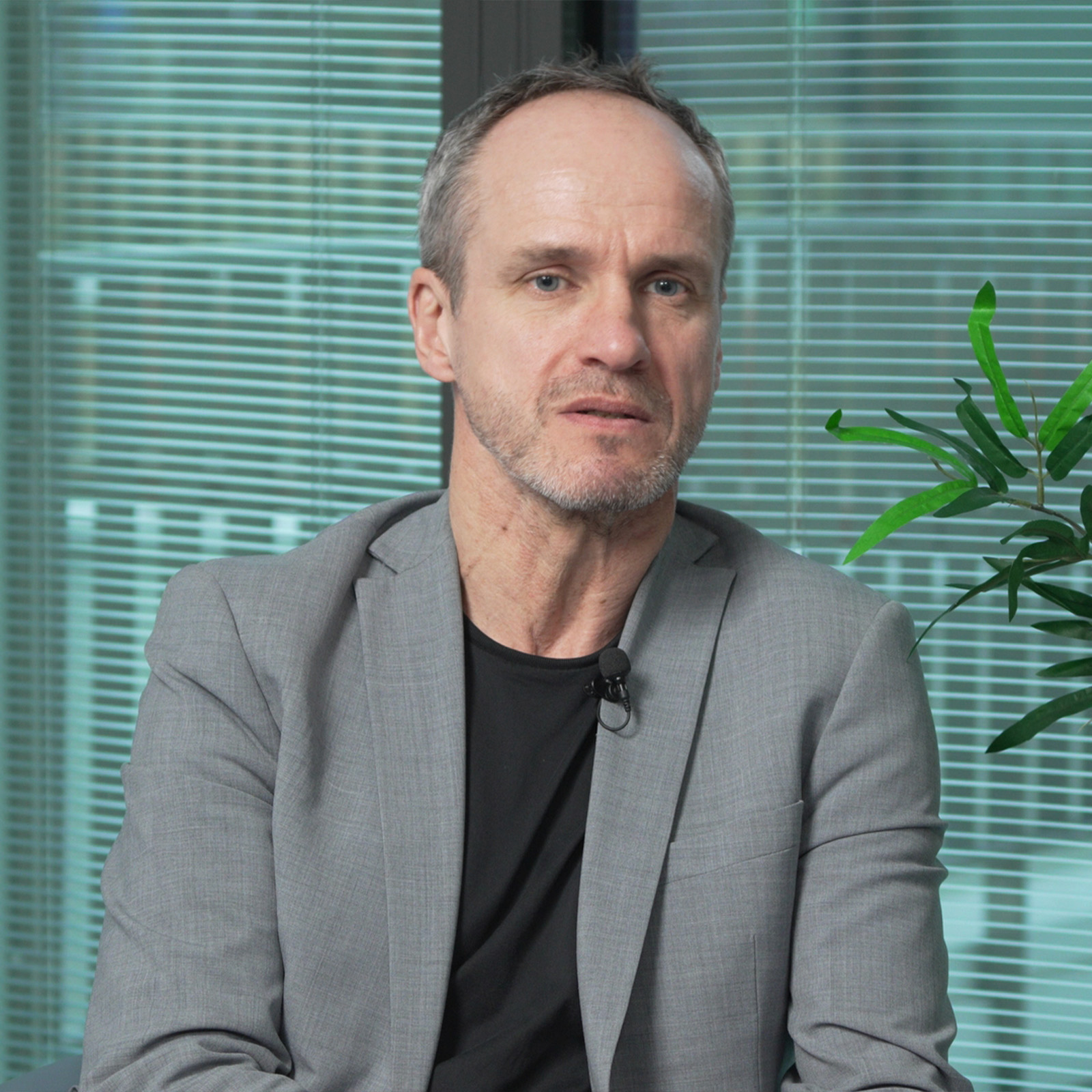
Prof. Holger Schünemann
Professor of Public Health and Preventive Medicine at Humanitas University
Prof. Holger Schünemann is a physician, clinical epidemiologist, and Professor of Public Health and Preventive Medicine at Humanitas University in Milan, Italy, where he directs the Clinical Epidemiology and Research Center (CERC). He is also Professor Emeritus of Clinical Epidemiology and Medicine at McMaster University in Canada, having chaired the Department of Health Research Methods, Evidence, and Impact from 2009 to 2019. Dr. Schünemann earned his medical degree from Hannover Medical School and completed advanced training in epidemiology and public health at the State University of New York at Buffalo. He is internationally recognized for his leadership in evidence synthesis and guideline methodology, particularly as Chair of the GRADE Working Group, which promotes transparent and rigorous health recommendations. His research focuses on evidence-based healthcare, guideline development, and decision science. He has authored over 900 peer-reviewed publications and contributed to major international health policies. Dr. Schünemann also serves in leadership roles with Cochrane Canada and the Guidelines International Network, helping shape global clinical practice. His work bridges clinical medicine, research methodology, and public health, impacting patient care worldwide. He is a frequent speaker at international conferences and a mentor to researchers globally.
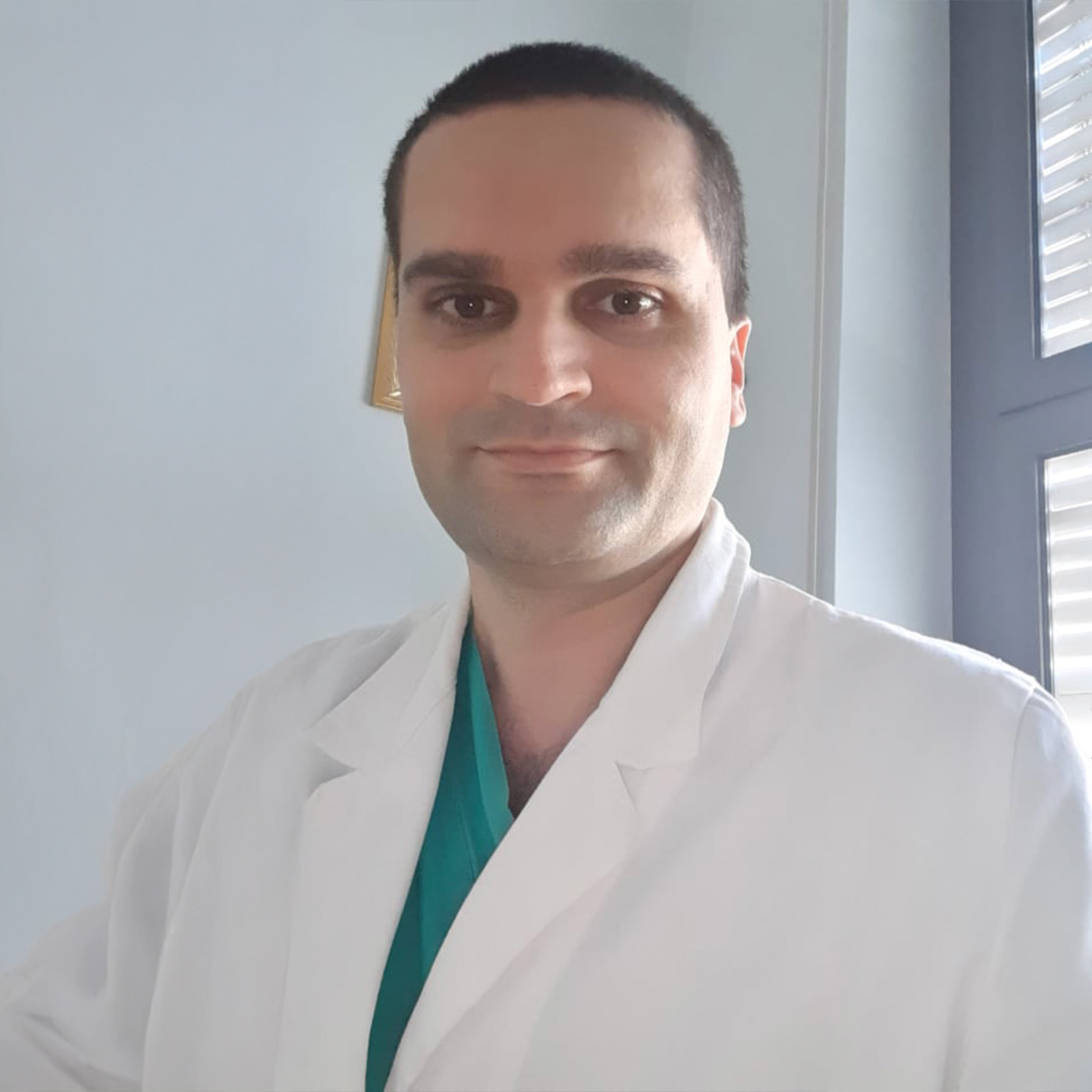
Prof. Antonio Facciorusso
Full Professor of Gastroenterology at Università del Salento
Prof. Antonio Facciorusso is an Full Professor of Gastroenterology at Università del Salento in Italy, where he is active in clinical practice and research within the Gastroenterology Unit. He graduated in Medicine from the Università Vita‑Salute San Raffaele in Milan and completed his residency in Gastroenterology at the University of Bari, with a research fellowship at the National Cancer Institute in Milan. He earned his PhD in Regenerative and Experimental Medicine from the University of Foggia. His research focuses on diagnostic and interventional gastrointestinal endoscopy, endoscopic ultrasound, and hepato‑oncology, with a strong publication record in international journals. Dr. Facciorusso has co‑authored and edited key texts in the field, including works on colon polypectomy and EUS management of pancreatic lesions. He serves on editorial boards and is a reviewer for high‑impact journals in gastroenterology. He is also a member of the Guidelines Committee of the European Society of Gastrointestinal Endoscopy (ESGE) and participates in major scientific societies in his field. His scholarly activity contributes to advancing quality and innovation in endoscopic diagnosis and therapy. He is regularly invited to national and international conferences to share his expertise.
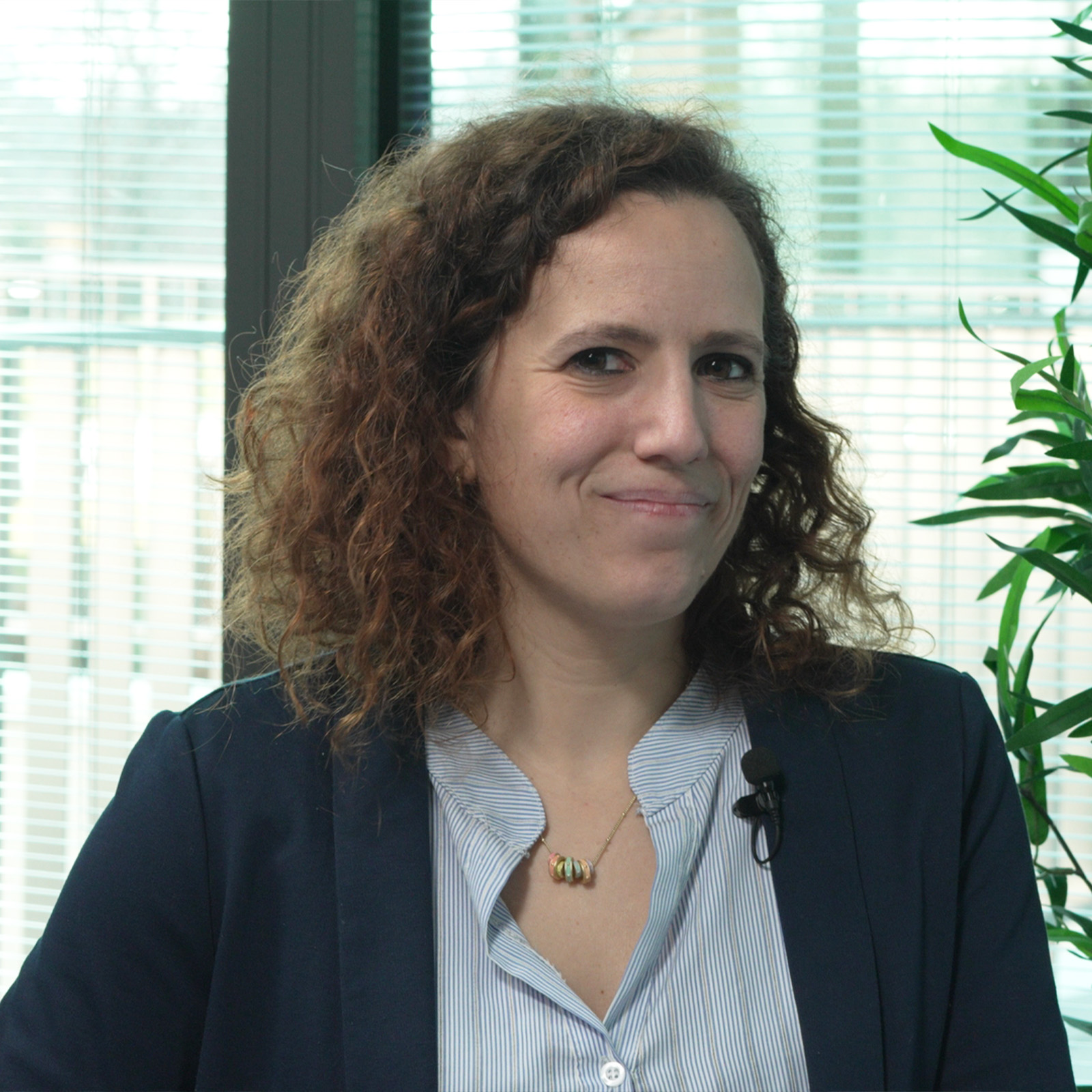
Dr. Marta Ranzini
Computer Vision Specialist and AI Research Team Lead at the AI Center, IRCCS Humanitas Research Hospital
Dott. Marta Ranzini is a Computer Vision Specialist and AI Research Team Lead at the AI Center, IRCCS Humanitas Research Hospital in Milan, Italy, where she contributes to the development and integration of artificial intelligence tools using clinical data and imaging for healthcare innovation. She has participated in multidisciplinary initiatives aimed at combining imaging, clinical records, laboratory analyses and genomic information to build predictive models for personalized medicine and to support hospital readiness for AI integration.
Her work encompasses research on AI applications in medical imaging and clinical decision support systems, as reflected in peer‑reviewed contributions in the field.
Dr. Ranzini has been featured as a speaker and team lead at events such as AI Hackathon x Radiology, where she discussed collaborative solutions bridging artificial intelligence and clinical practice.
Her role involves advancing machine learning and computer vision methodologies tailored to real‑world healthcare challenges within a leading hospital‑university research environment.
Through her interdisciplinary collaborations, she contributes to the ongoing development of innovative AI‑driven tools aimed at supporting clinicians and improving patient outcomes.
Contact details
If you have any enquiries about the course or if you need technical assistance please contact pok@polimi.it. For further information, see FAQ page.