Additional resources
Additional resources
Adaptation of Historic public space to climate change

Course description
The MOOC “Revitalisation of Public Spaces in Historic Cities Based on Sustainable Development Principles” provides core competencies for students and professionals in architecture and urban design. The course aims to develop the ability to understand, conserve, and adapt historic public spaces through permanent arrangements, greenery, and street furniture, balancing heritage values with contemporary social, environmental, and functional needs. It fosters critical thinking and interdisciplinary approaches to designing inclusive, sustainable, and human-centred public spaces in historic urban contexts.
Total workload of the course: 7 hours
This MOOC is provided by Politecnico di Milano.
This MOOC is one of the outputs of the Green Action project (Green & sustainable public spaces in historic cities - innovative teaching programme) (No. KA220-HED-84C9397A)


Co-funded by the Erasmus+ Programme of the European Union
This project has received funding from the European Union under grant agreement n° KA220-HED-84C9397A. Views and opinions expressed are however those of the authors only and do not necessarily reflect those ot the European Commission- Euratom. Nether the European Union nor the granting authority can be held responsible for them.
Intended Learning Outcomes
By actively participating in this MOOC, you will achieve different intended learning outcomes (ILOs).
- Knowledge and Understanding
Climate Change Dynamics: The specific impacts of global climate change on the physical and social fabric of historic public spaces. ESCO: climate change impact ESCO: architectural conservation
Sustainable Infrastructure: The theoretical foundations and practical applications of Green and Blue Infrastructures within urban contexts. ESCO: sustainable building design ESCO: architectural conservation
Nature-Based Solutions (NbS): The principles of implementing NbS to enhance urban resilience while respecting heritage constraints. ESCO: urban sustainability ESCO: sustainable building design ESCO: architectural conservation
Urban Theory: General theories of form, composition, and architectural typologies as they relate to historic city centres. ESCO: green space strategies ESCO: architectural conservation
Ecological Principles: Advanced knowledge of ecology, resource conservation, and environmental sustainability in urban planning. ESCO: urban sustainability ESCO: architectural conservation - Intellectual and Cognitive Skills
Critical Evaluation: Critically analyse case studies of European cities to identify and adapt best practices for local contexts. ESCO: architectural conservation
Strategic Problem-Solving: Formulate innovative solutions to complex urban challenges, balancing modern sustainability needs with heritage preservation. ESCO: urban sustainability ESCO: urban planning ESCO: architectural conservation
Interdisciplinary Synthesis: Integrate information from diverse fields, including architecture, ecology, and digital technology, to inform design decisions. ESCO: integrated design ESCO: architectural conservation
Ethical Judgement: Apply ethical commitment and recognition of multiculturalism when intervening in diverse historic environments. - Practical and Professional Skills
Urban Design Execution: Conceive, plan, and develop comprehensive urban revitalisation projects, including landscaping and gardening layouts. ESCO: sustainable building design ESCO: urban sustainability ESCO: urban planning ESCO: architectural conservation
Digital Proficiency: Utilise advanced digital tools and software for the design, modelling, and presentation of architectural projects. ESCO: digital and technology-based competences ESCO: architectural conservation
Functional Programming: Develop functional programmes specifically tailored for sustainable and accessible urban spaces. ESCO: sustainable building design ESCO: urban sustainability ESCO: urban planning ESCO: architectural conservation
Site Analysis: Conduct practical on-site analyses of historic locations to evaluate real-world conservation and rehabilitation needs. ESCO: landscape analysis ESCO: architectural conservation - Transferable and Key Skills
Autonomous Learning: Manage self-directed study and adapt to new professional or academic situations. ESCO: architectural conservation
Prerequisites
No formal knowledge is required.
Activities
Over and above consulting the content, in the form of videos and other web-based resources, you will have the opportunity to discuss course topics and to share ideas with your peers in the Forum of this MOOC. The forum of this MOOC is freely accessible, and participation is not guided; you can use it to compare yourself with other participants, or to discuss course contents with them.
Assessment
Your final grade for the course will be based on the results of your answers to the assessed quizzes. You have an unlimited number of attempts at each quiz, but you must wait 15 minutes before you can try again. You will have successfully completed the course if you score 60% (or higher) in each one of the assessed quizzes. The maximum score possible for each quiz is given at the beginning of the quiz. You can view your score in the quiz on your last attempt or on the 'Grades' page.
Certificate
You can achieve a certificate in the form of an Open Badge for this course, if you reach at least 60% of the total score in each one of the assessed quizzes and fill in the final survey.
Once you have completed the required tasks, you will be able to access ‘Get the Open Badge’ and start issuing the badge. Instructions on how to access the badge will be sent to your e-mail address.
The Badge does not confer any academic credit, grade or degree.
Information about fees and access to materials
The course is delivered in online mode and is available free of charge.
Course faculty

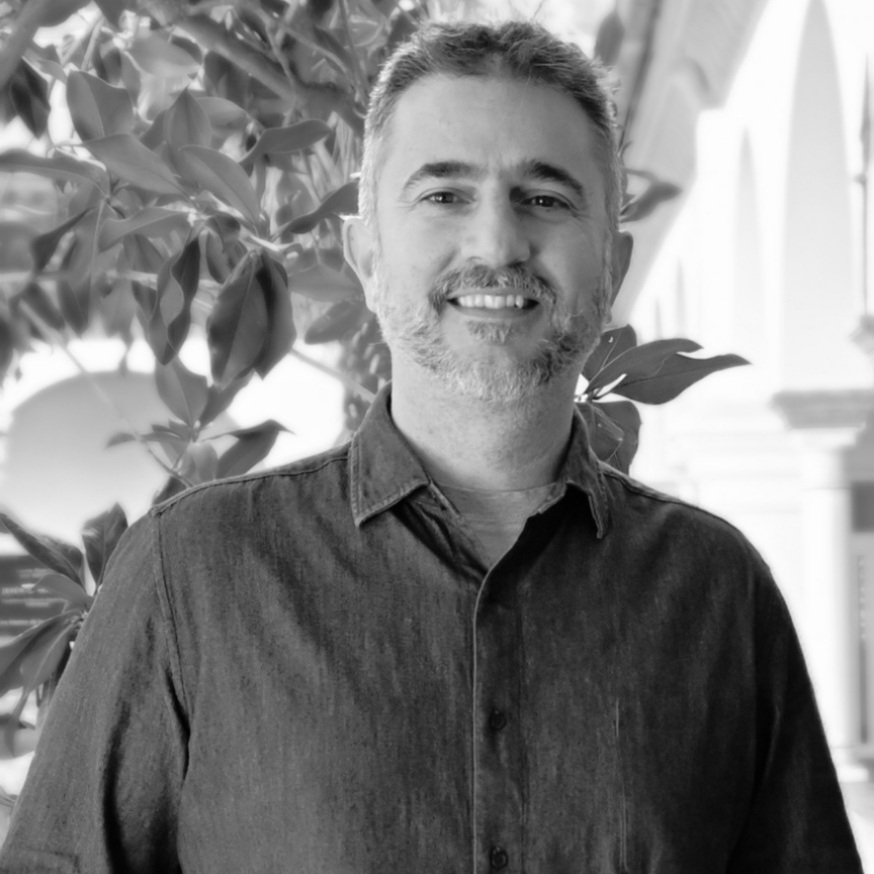
Francisco Javier Abarca-Álvarez
Teacher
Francisco J. Abarca-Álvarez is a PhD Architect, Associate Professor of Urban and Spatial Planning and Vice Dean for Internationalisation at the School of Architecture in the University of Granada, Spain. His research focuses on developing data-driven decision-support tools to enhance urban life quality, sustainability, urban greenery and reduce social vulnerability. Since obtaining his Architecture degree from the University of Granada in 2001, he has balanced architectural practice—winning international design competitions—with lecturing in Urban Planning at his alma mater, since 2002. In 2016, he co-founded GIS4tech, a University of Granada spin-off company, to transfer innovations to society. As an academic, he has led numerous projects funded by international agencies and institutions, and authored over 100 publications, including more than 20 in top-tier scientific journals. Currently, he leads innovative research analysing emotions experienced in urban environments with wearable sensor equipment and processing with AI for urban decisions and Smart Cities.
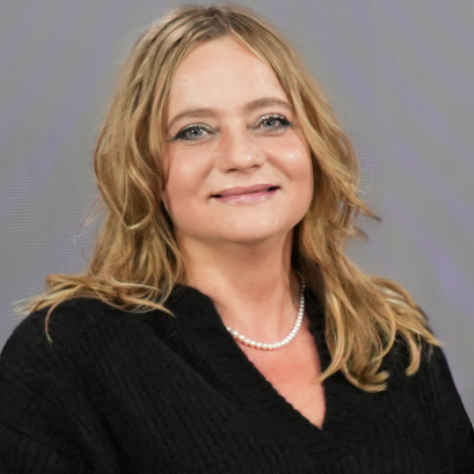
David Arredondo Garrido
Teacher
Associate Professor in History and Theory of Architecture at the University of Granada, where he has taught since 2009. He currently serves as Secretary of the Department of Architectural Construction and is the Director of the "Architecture, Urbanism, and Restoration" book collection for the University of Granada Press (EUG). Additionally, he leads the academic journal SOBRE. Prácticas Editoriales en Arte y Arquitectura and is a member of the editorial boards for international publications. Since 2015, he has also coordinated the International Conferences Cultura y Ciudad.
Throughout his career, he has been a professor at the University of Malaga and a visiting scholar at various institutions across Italy, Austria, Germany, and Portugal. His research excellence has been recognized with the Extraordinary Award for his doctoral thesis, Agriculture and the City: From Utopia to Place Consciousness, and the Research Award at the 15th Spanish Biennial of Architecture and Urbanism (BEAU 2020).
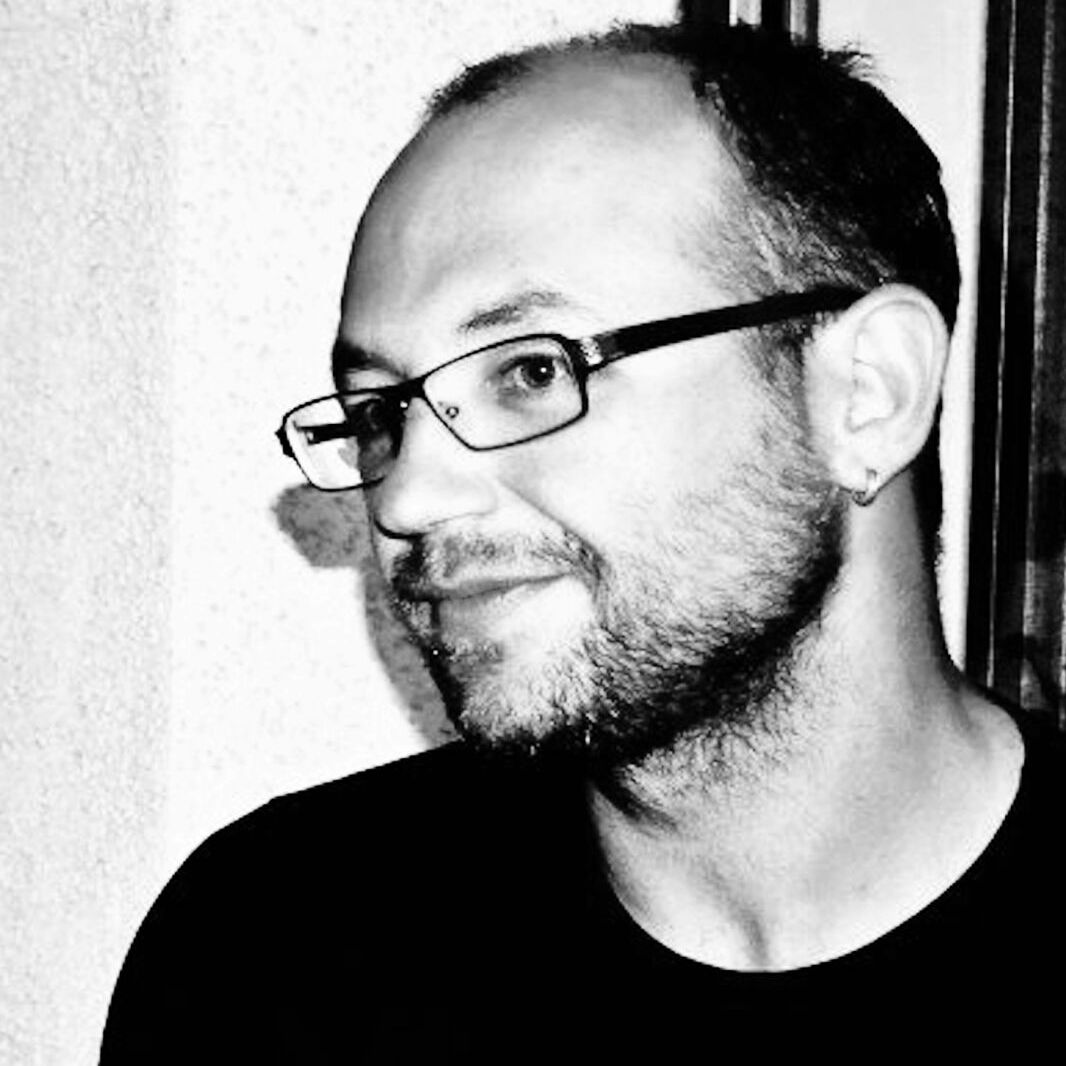
Kamila Boguszewska
Teacher
Staff member of the Department of Built Heritage at the Faculty of Civil Engineering and Architecture, Lublin University of Technology. An architect and landscape architect holding a PhD in technical sciences, specialising in the history of architecture and urban heritage. She is the author of over 40 scientific publications focused on urban green infrastructure systems and their spatial planning and design, has extensive experience in international research and cooperation in Erasmus+ and Interreg Central Europe projects.
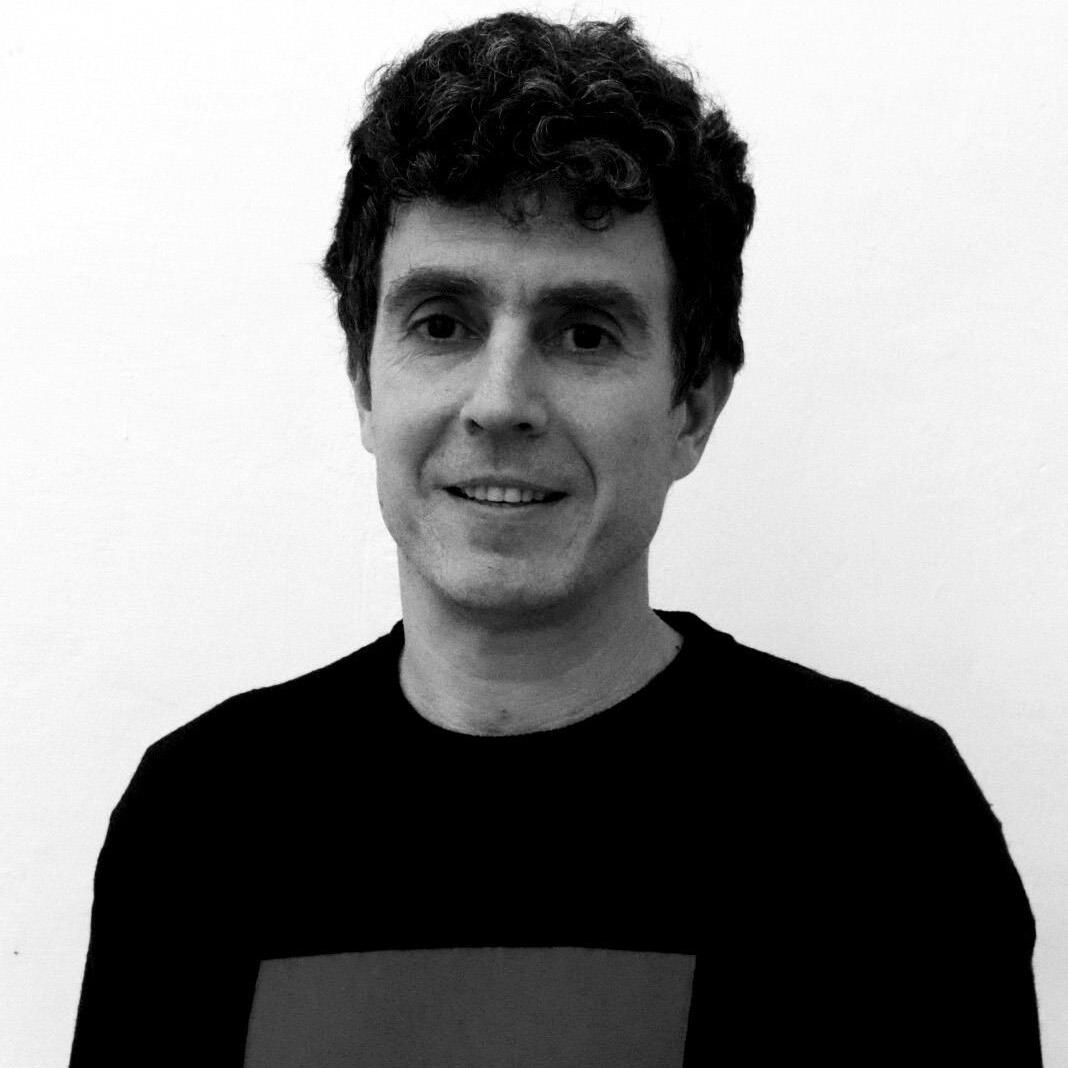
David Cabrera-Manzano
Teacher
David Cabrera-Manzano is a PhD Architect and a leading researcher specializing in Urban and Spatial Planning, Urban Design, and Landscape Architecture. Since 2002, he has served as an Associate Professor and Researcher at the University of Granada (Department of Urban and Spatial Planning), where he bridges the gap between academic theory and territorial reality.
With a prolific academic record of over 50 published manuscripts and books, David’s work is recognized in major international databases. His research focuses on the intersection of urbanity, mobility, and the cultural dimension of landscapes, exploring how the territory we inhabit shapes our social and personal health.
Nora Lombardini
Teacher
Assistant professor and, currently, associate professor, in Restoration at Politecnico di Milano, Department of Architecture, Built Environment and Construction Engineering. Research activity: on history and theory of restoration of historical buildings and cultural heritage; analysis of traditional and modern constructive system; analysis of mechanical behavior of historical structures; studies on the conservation of historic centers. Author of scientific papers. International experience in organizing students’ practical work in Ukraine.
Fernando Osuna-Pérez
Teacher
Architect at the Higher Technical School of Architecture (ETSA) of the University of Granada in 2006, PhD in Urbanism, Spatial Planning, and the Environment (2013).
In 2014, he was awarded the prize for the Best Doctoral Thesis in Andalusia in the fields of Architecture, City, and Building Sciences by the University Institute of Architecture and Building Sciences (IUACC) at the University of Seville.
Throughout his career, he has coordinated numerous plans and projects relating to landscape design, urban planning, heritage, and natural regeneration in urban, peri-urban, and rural environments. He currently serves as Assistant Professor at the Higher Technical School of Architecture of the University of Granada, where he has been actively engaged in teaching and research since 2007.
Boguslaw Szmygin
Teacher
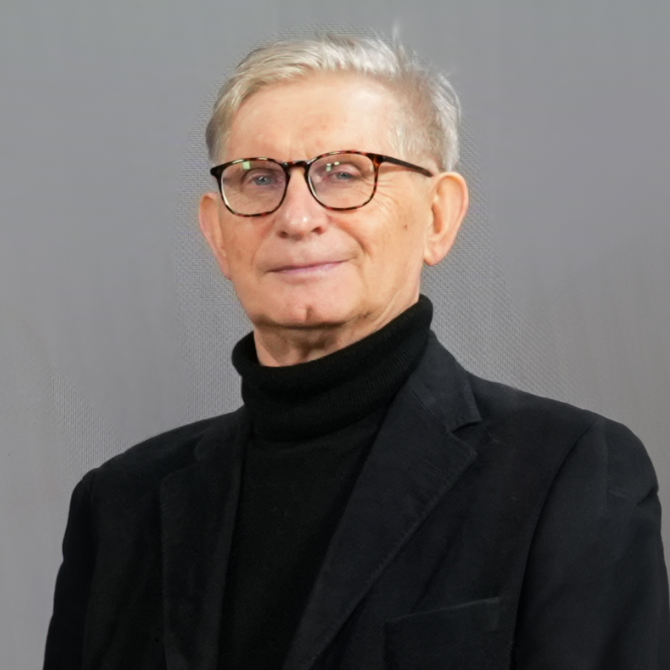
Specialist in architectural heritage conservation and a recognised expert in UNESCO World Heritage, serving as Head of the Department of Conservation of Built Heritage at Lublin University of Technology (Dean until 2024) and President of ICOMOS Poland. He is the author of over 100 scientific publications and director of more than 50 educational films on cultural heritage and historic monuments, with extensive experience in international research and EU-funded projects, including Erasmus+, Interreg, and Erasmus Mundus initiatives, as well as in developing academic cooperation and innovative educational programmes.
Sofia Velichanskaia
Teacher
Graduate of Master degree “Architectural Design and History” in Politecnico di Milano. Currently a research fellow at Politecnico di Milano, in the Department of Architecture, Built Environment and Construction Engineering.
Katarzyna Drobek
Teacher
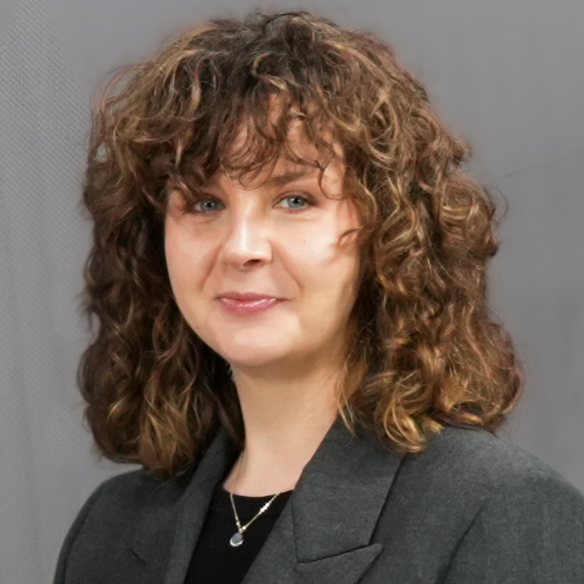
Staff member of the Department of Built Heritage at the Faculty of Civil Engineering and Architecture, Lublin University of Technology. She specializes in the conservation of historic buildings, adaptive reuse of existing structures, and heritage protection strategies. Her work focuses on the preservation, transformation, and contemporary use of historic architecture, with particular emphasis on ruins. Her research also includes the application of modern technologies in the documentation and inventory of heritage objects.
Contact details
If you have any enquiries about the course or if you need technical assistance please contact pok@polimi.it. For further information, see FAQ page.